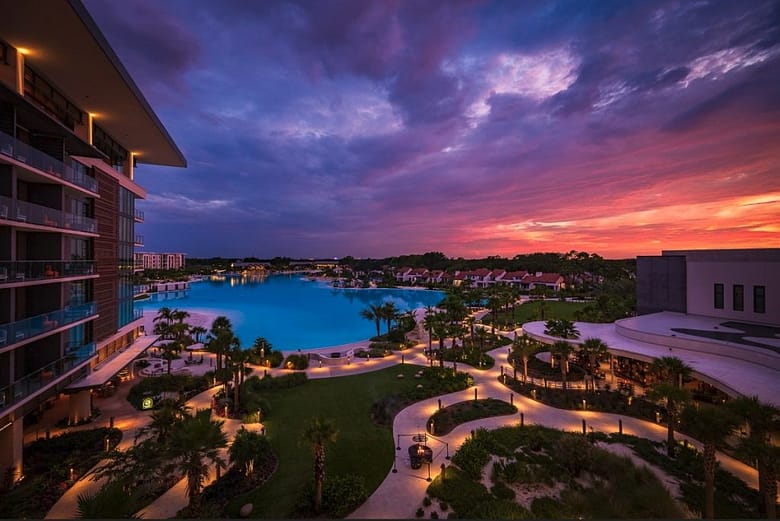
In a world where the Fear of Missing Out (FOMO) drives much of consumer behavior, a quieter counter-movement has emerged: the Joy of Missing Out (JOMO). For luxury hospitality, this shift is more than a lifestyle trend. It reflects a deeper behavioral change in how affluent travelers think, decide, and book, which is why it belongs inside a serious luxury hotel marketing strategy.

Understanding JOMO
JOMO represents a shift from urgency to intentionality. Instead of chasing what others are doing, travelers increasingly seek solitude, presence, and experiences that feel restorative rather than performative. The emphasis moves from visibility to depth, from speed to meaning.
This behavioral pivot aligns with rising awareness around mental health, digital fatigue, and the desire to disconnect from constant connectivity. Luxury travelers are not merely seeking amenities. They are seeking environments that support clarity, calm, and autonomy.
The Rise of Digital Detox and Deliberate Travel
Digital detox experiences and slower travel patterns are becoming increasingly common. Guests are extending booking windows, spending more time researching, and prioritizing quality over volume in their travel choices. The pressure to book immediately has softened. The desire to choose intentionally has strengthened.
For luxury properties, this shift carries both opportunity and risk. A slower, more deliberate traveler can be highly valuable. But only if the hotel influences the decision early enough in the consideration process.
Designing for Serenity and Depth
Appealing to JOMO-oriented travelers requires more than aesthetic calm. It requires intentional design across the guest experience:
1. Nature Integration
Biophilic design, natural materials, immersive landscapes, and guided outdoor experiences create physical and psychological distance from digital overload. Tranquility becomes part of the property’s identity rather than a marketing slogan.
2. Structured Wellness Programs
Yoga retreats, meditation sessions, recovery programs, and curated spa journeys provide guests with structured pathways toward restoration. These offerings should be positioned not as add-ons, but as core pillars of the property’s value proposition.
3. Quiet Architecture
Dedicated quiet zones, device-free spaces, contemplative libraries, and private garden areas reinforce the promise of stillness. Physical space must support the psychological narrative.
4. Mindful Culinary Experiences
Farm-to-table programs, locally sourced ingredients, and slower dining formats encourage presence and intentionality. Culinary storytelling can deepen the sense of place while aligning with broader wellness themes.
The Strategic Implication of JOMO
JOMO is not just a messaging opportunity. It changes how demand flows.
When urgency declines, booking windows lengthen. Travelers research more deeply. Comparison increases. The decision process becomes layered rather than impulsive.
This has structural consequences. If discovery and initial introduction happen inside third-party ecosystems, then even deliberate travelers remain downstream of external platforms. Slower decisions do not automatically produce greater control for the hotel. They simply extend the evaluation cycle.
The properties that benefit most from JOMO-driven behavior are those that capture identity and build direct relationships early in the research phase. When introduction occurs in controlled environments rather than rented channels, deliberation becomes an advantage rather than a vulnerability.
Marketing JOMO with Structural Intent
To market effectively to JOMO-oriented guests, luxury hotels should focus on:
- Developing narrative storytelling that emphasizes transformation rather than status.
- Using visual content that evokes calm, depth, and authenticity.
- Creating targeted lifecycle campaigns that support longer consideration cycles. A strong email marketing for hotels program is one of the cleanest ways to stay present during deliberation without discounting.
- Designing exclusive packages that reinforce presence, disconnection, and immersive experience.
Social media can still play a role, but its function shifts from urgency creation to aspiration framing. The goal is not to trigger panic booking. It is to invite reflection.
For brands that want to operationalize this without bloating internal teams, a specialist hospitality email marketing agency can help build the segmentation, creative, and governance needed to nurture deliberate travelers from first interest through booking.
Case Examples
Amangiri, Utah
Amangiri’s remote desert setting and wellness-focused programming embody JOMO principles. Its positioning centers on isolation, space, and contemplative luxury rather than activity saturation.
Blackberry Farm, Tennessee
Blackberry Farm blends refined luxury with rural immersion. Farm-to-table dining, nature integration, and slower pacing reinforce a deliberate, grounded experience.
Final Perspective
The Joy of Missing Out reflects a broader shift in luxury travel behavior. Guests are not abandoning aspiration. They are redefining it. Serenity, depth, and autonomy are becoming central to the premium experience.
For luxury hotels, the opportunity lies not only in crafting tranquil experiences, but in structuring how those experiences are discovered and evaluated. JOMO reduces urgency. It increases deliberation. And deliberation rewards properties that establish direct relationships before the booking moment.
This is ultimately a luxury hotel marketing problem, not a wellness trend problem. Calm messaging helps, but demand control matters more. In a slower decision cycle, ownership of introduction becomes even more valuable.