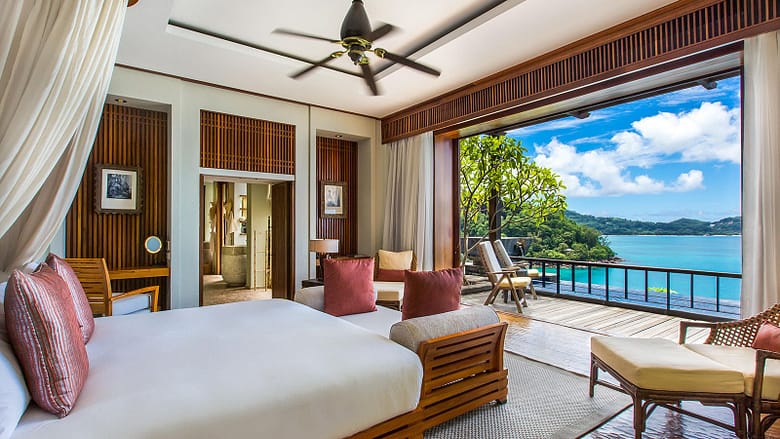
Business travel has long been a cornerstone of the hospitality industry. In recent years, however, a growing segment of travelers has begun blending professional obligations with personal exploration. This trend — often referred to as bleisure travel — reflects a shift in how professionals approach time away from home. For hotels and resorts, understanding how effective hotel marketing strategies influence this segment is essential for capturing incremental stays and extending guest relationships.
Bleisure travelers are professionals who extend business trips to include leisure activities. After attending meetings, conferences, or corporate events, they may stay additional nights to explore the destination, enjoy local experiences, or travel with family members. This behavior creates an important opportunity for hotels that understand how to position their properties for both productivity and relaxation.

Understanding the Bleisure Traveler
The modern bleisure traveler values efficiency, flexibility, and the ability to get more out of a trip that already exists for business purposes. Their primary reason for travel may be work, but they are motivated to extend their stay if the destination offers experiences worth exploring. Hotels that present themselves not only as convenient business accommodations, but also as gateways to memorable local experiences, are better positioned to capture that added demand.
These travelers typically prioritize several factors when choosing where to stay:
- Reliable high-speed internet and comfortable workspaces
- Convenient access to conference venues or business districts
- Local experiences that can be enjoyed during limited free time
- Flexible booking policies that accommodate changing business schedules
- Amenities that support relaxation after work commitments
Hotels that recognize this dual purpose of travel can design more effective campaigns, offers, and guest experiences that appeal to both sides of the trip.
Marketing Strategies to Attract Bleisure Travelers
Targeted Advertising
Professionals traveling for conferences, corporate meetings, or consulting work often begin their trip planning with a specific purpose in mind. Marketing campaigns that highlight the advantages of extending a stay — such as nearby cultural attractions, weekend experiences, or wellness amenities — can help travelers see more value in turning a business trip into a longer visit.
Flexible Travel Packages
Hotels can develop packages designed specifically for guests who wish to extend their stay beyond the business portion of the trip. These offers might include discounted weekend rates, curated local experiences, or flexible check-in and check-out times that accommodate conference schedules.
Corporate Partnerships
Partnering with corporations or conference organizers can help hotels position themselves as preferred accommodations for business travelers. When employees are already staying at a property for work, it becomes significantly easier to encourage additional leisure nights before or after the event.
Promoting Local Experiences
Bleisure travelers often have limited time to explore a destination, so hotels should highlight experiences that fit easily into shorter schedules. Evening city tours, culinary experiences, spa treatments, and cultural events are especially attractive for professionals who want to make the most of their time away.
Digital Convenience
A seamless digital booking experience is essential. Mobile-friendly websites, streamlined reservation systems, and clear presentation of amenities help travelers quickly evaluate whether a property can meet both their business and leisure needs. Hotels that align convenience with persuasive messaging are better positioned to convert attention into stays and support stronger booking growth over time.
Content Marketing
Hotels can attract bleisure travelers by publishing content that shows how a destination can be experienced within a limited timeframe. Guides featuring weekend itineraries, local dining, wellness experiences, or short cultural excursions can inspire business travelers to extend their stay.
Email Marketing
Email marketing remains one of the most effective ways to reach travelers who have already engaged with a brand. Targeted campaigns can highlight seasonal experiences, weekend stay extensions, or destination activities that appeal to professionals considering extra leisure time around an upcoming business trip. Hotels looking to strengthen this channel should understand how email marketing for hotels supports repeat engagement, direct bookings, and guest relationship development.
For hotel brands that want expert support building and deploying these campaigns, working with a specialized hospitality email marketing agency can improve both strategy and execution.
Flexible Booking Policies
Business travel plans can change quickly. Flexible booking policies, including easy rescheduling and reasonable cancellation terms, make it easier for professionals to confidently extend their stay without worrying about unexpected shifts in their schedule.
Challenges and Opportunities
While the bleisure segment presents real opportunities for hotels, capturing this audience requires a more nuanced understanding of traveler behavior. Business travelers often operate under tight schedules and company travel policies, which means hotel messaging must emphasize convenience and efficiency alongside local experiences and personal value.
Hotels that align their strategy with these needs can benefit from increased length of stay, stronger guest relationships, and greater long-term loyalty from travelers who first experience a destination through work.
Conclusion
The rise of bleisure travel reflects a broader shift in how professionals approach work and personal time. Hotels that position themselves to support both productivity and exploration are better positioned to capture this growing segment. By combining flexible guest experiences with strong digital strategy, clear messaging, and effective lifecycle communication, hospitality brands can turn routine business trips into memorable travel experiences that lead to repeat stays and stronger direct demand over time.