Conventions and industry events have long played an important role in the hospitality industry. For hotel brands, these gatherings create opportunities not only to network with industry peers but also to shape perception, introduce properties to new audiences, and strengthen brand positioning. In this environment, marketing is no longer limited to brochures or trade-show booths. It has become a strategic extension of broader hotel marketing, where demand generation, brand storytelling, and guest acquisition intersect.
The Strategic Role of Industry Events
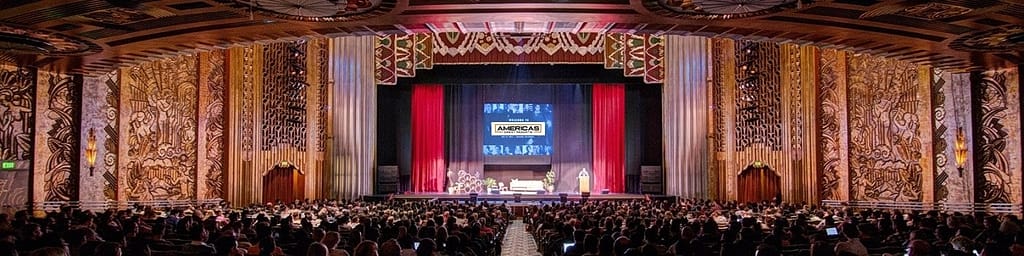
Industry conventions and trade shows provide hotels with a unique environment to influence how their brands are perceived by travel advisors, meeting planners, tourism organizations, and media partners. These gatherings allow hospitality companies to present their properties in a controlled narrative environment, where brand positioning, service philosophy, and guest experience can be communicated more effectively than through traditional advertising alone.
For many hotels and resorts, these events function as an extension of their marketing ecosystem. Relationships formed during conferences often lead to partnerships, distribution opportunities, and new guest introductions that influence booking patterns months or even years later.
The Rise of Experiential Hospitality Marketing
The modern convention floor looks very different from the static exhibition spaces of the past. Hospitality brands increasingly design immersive experiences that allow attendees to feel the character of a property rather than simply read about it. Interactive installations, culinary tastings, destination storytelling, and live demonstrations are all examples of how hotels now present their brand identity in physical spaces.
These experiences serve a strategic purpose. They allow hotels to move beyond transactional promotion and instead communicate the emotional and experiential qualities that influence traveler decision-making. In a sector where perception and storytelling matter as much as price, experiential engagement helps hospitality brands stand out in crowded marketplaces.
Technology Expands Engagement Opportunities
Technology has further transformed how hospitality brands participate in industry events. Digital presentation tools, immersive displays, and real-time audience engagement platforms now allow marketers to demonstrate experiences that would otherwise be impossible to showcase on a convention floor.
These tools also create new pathways for capturing and nurturing potential demand. Attendee interactions can be recorded, contacts captured, and relationships continued long after the event itself has concluded.
Personalization and Relationship Building
One of the most valuable aspects of conventions and hospitality events is the opportunity to build relationships at scale. Unlike traditional advertising channels, these environments allow brands to interact directly with travel professionals, media representatives, and industry partners.
Successful hospitality marketers use these interactions to deepen relationships and personalize future communication. Whether through follow-up outreach, targeted content, or email marketing, these conversations can evolve into long-term partnerships that drive bookings and visibility for hotel brands.
Measuring the Impact of Event Marketing
As hospitality marketing strategies become more sophisticated, measuring the impact of convention participation has become increasingly important. Hotels now evaluate events not only by the number of conversations held, but by the downstream business outcomes those interactions generate.
Metrics such as partnership agreements, media exposure, referral traffic, and eventual booking activity provide clearer insight into how event participation contributes to broader marketing objectives. When integrated with a hotel’s overall marketing strategy, conventions and industry events can serve as powerful demand-generation channels.
Final Thoughts
Marketing within convention and event environments has evolved into a sophisticated extension of hospitality brand strategy. These gatherings are no longer simply networking opportunities; they are platforms where hotels shape perception, build partnerships, and introduce their properties to new audiences.
For hospitality brands seeking long-term growth, participation in industry events should be viewed as part of a broader marketing ecosystem that connects brand positioning, guest acquisition, and relationship development.