Space tourism may still be in its infancy, but the marketing lessons emerging from this sector are highly relevant to the broader travel and hospitality industry. As companies like SpaceX, Blue Origin, and Virgin Galactic experiment with commercial space travel, they are also demonstrating how new travel categories capture attention, shape demand, and introduce entirely new experiences to travelers. These principles are closely related to the broader discipline of hotel marketing, where brands must continuously find new ways to introduce properties, experiences, and destinations to potential guests.
The Marketing Power of New Travel Experiences
Whenever a new category of travel emerges, the primary marketing challenge is not simply promotion. It is education. Travelers must first understand the experience before they can desire it. Space tourism represents an extreme example of this dynamic, where marketers must communicate what the experience feels like, why it matters, and who it is for.
Hotels face a similar challenge every day. Whether introducing a new resort concept, a destination experience, or a new property opening, hospitality brands must translate an unfamiliar idea into something travelers can imagine themselves experiencing.
Defining the Early Adopter Audience
In the early stages of any travel category, the initial audience tends to be narrow and highly motivated. For space tourism, this group includes ultra-high-net-worth individuals who are drawn to pioneering experiences and technological breakthroughs.
The same principle applies across hospitality. Early adopters are often travelers seeking novelty, exclusivity, or access to experiences that feel rare. Effective marketing focuses on identifying these high-interest segments first rather than attempting to appeal to a mass audience immediately.
Storytelling as a Demand Engine
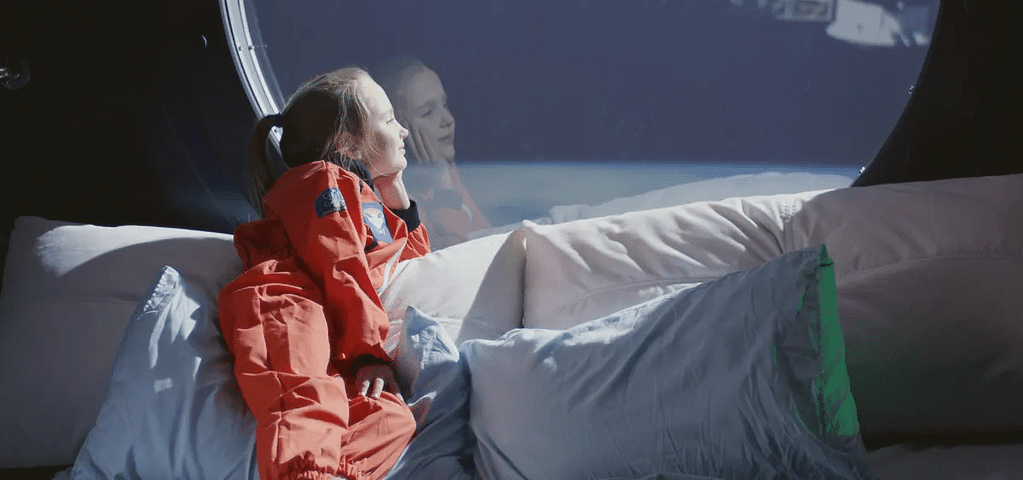
Marketing space tourism relies heavily on storytelling. Because few people have experienced space travel, marketers must rely on narrative to communicate the emotional and sensory aspects of the journey. Video, immersive visuals, and detailed storytelling allow potential travelers to imagine the experience long before they ever book it.
This same storytelling approach is central to modern hospitality marketing. Hotels rarely sell rooms alone; they sell experiences. Successful brands communicate atmosphere, destination culture, and the emotional rewards of travel rather than focusing only on amenities.
Trust and Credibility in Emerging Travel Markets
For space tourism companies, safety and credibility are critical marketing challenges. Travelers must trust both the technology and the organizations behind it. As a result, marketing communications often emphasize engineering expertise, testing milestones, and partnerships with trusted aerospace institutions.
Trust plays an equally important role in hospitality. Reputation, guest reviews, media coverage, and brand credibility all influence booking decisions. Travelers want reassurance that the experience they are considering will meet their expectations.
Experiential Marketing and Audience Engagement
Space tourism brands frequently use immersive marketing techniques such as simulations, virtual experiences, and behind-the-scenes content to engage potential travelers. These experiences help transform abstract concepts into something tangible and emotionally compelling.
Hotels and resorts increasingly adopt similar strategies. Virtual tours, interactive storytelling, and immersive destination content allow travelers to explore properties digitally before committing to a booking.
The Role of Ongoing Audience Engagement
Emerging travel categories rely heavily on long-term audience engagement. Prospective customers may follow developments for months or even years before making a purchase decision.
This is where lifecycle communication becomes essential. Channels such as email marketing allow travel brands to maintain ongoing relationships with potential customers, share updates, and nurture interest over time until travelers are ready to book.
Lessons for the Hospitality Industry
While space tourism operates at the edge of technological possibility, the marketing lessons it reveals are broadly applicable. Successful travel marketing requires more than visibility; it requires the ability to introduce new experiences, communicate their value, and maintain engagement with potential travelers over time.
Hotels, resorts, and destinations that master these fundamentals are better positioned to attract attention, build demand, and convert curiosity into bookings.
Final Thoughts
Space tourism may still be a niche market, but it highlights an important truth about travel marketing: the most powerful campaigns do more than promote a product. They help travelers imagine a new experience. As hospitality brands continue to compete for attention in an increasingly crowded marketplace, the ability to introduce compelling travel experiences will remain one of the most important skills in modern marketing.